
What Is a Hygienic (Cleanroom) Air Handling Unit? Complete Guide
INDUSTRY INSIGHTS | TECHNICAL GUIDE | 10 MINS READ
Learn what a hygienic air handling unit (AHU) is, how it works, its key components, and which industries rely on cleanroom AHUs for safe, contamination-free air supply.
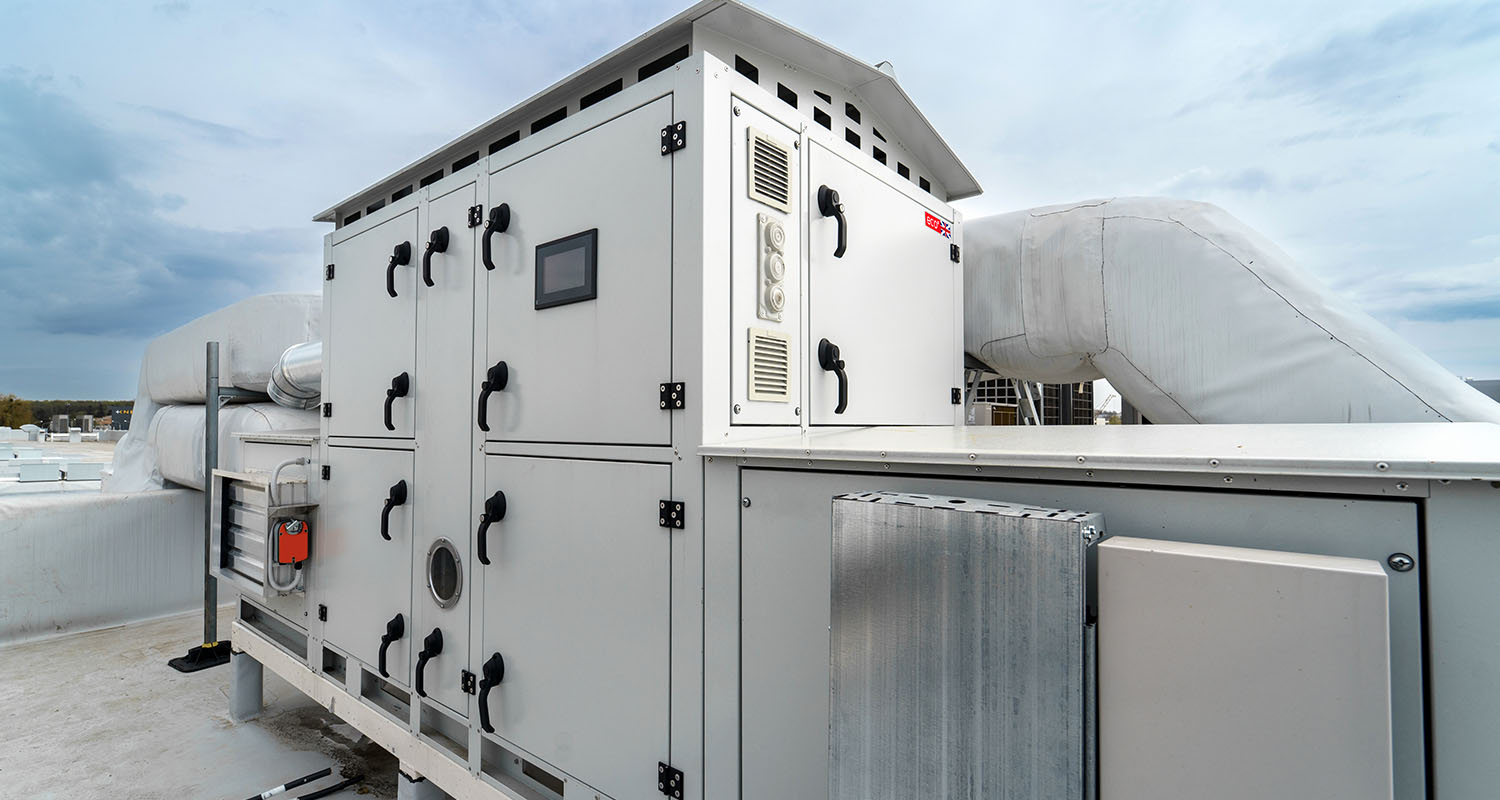
What Is a Hygienic Air Handling Unit?
A hygienic or fresh air handling unit (FAHU) — also known as a cleanroom AHU — is a specialist ventilation system designed to deliver 100% fresh, filtered air to environments where air quality and contamination control are critical. Unlike standard air handling units, a hygienic AHU supplies entirely fresh air with zero air recirculation, eliminating the risk of cross-contamination within the ventilation system.
FAHU units are purpose-built for industries such as healthcare, pharmaceutical manufacturing, food processing, and electronics production, where strict airborne particle control is a regulatory and operational requirement.
How Does a Hygienic AHU Differ from a Standard AHU?
The key distinction lies in airflow management. A conventional AHU typically recirculates a proportion of return air back through the system to improve energy efficiency. A hygienic AHU operates differently:
- 100% fresh air supply — all air delivered to the space is drawn from outside
- 0% air return — no recirculated air re-enters the system
- Advanced multi-stage filtration — including HEPA filters to capture ultrafine airborne particles
- Hygienic internal coatings and materials — preventing bacterial growth and contamination inside the unit itself
This design ensures that sensitive environments maintain a consistently clean, safe atmosphere at all times.
Key Components of a Hygienic Air Handling Unit
A hygienic AHU is built with materials and components specifically selected for cleanroom performance. Standard components typically include:
- Multi-stage filtration system — including HEPA (High Efficiency Particulate Air) filters to remove harmful particles, allergens, and microorganisms
- Cooling and/or heating coil — for precise temperature control (DX coil or chilled water options)
- Direct-driven fans — for reliable, low-maintenance airflow
- Hygienic casing — typically constructed from aluminium or stainless steel for easy cleaning and corrosion resistance
- Stainless steel internal components — including drain pans, fasteners, and hardware
- UV (ultraviolet) disinfection — an optional feature that further neutralises airborne pathogens
The combination of these components allows hygienic AHUs to achieve the highest levels of air cleanliness, meeting strict industry standards for controlled environments.
Common Applications: Where Are Hygienic AHUs Used?
Hygienic air handling units are suitable for any setting where clean, contaminant-free air supply is essential. The most common industries and applications include:
Healthcare
- Hospitals (operating theatres, ICUs, isolation rooms)
- Clinics and GP surgeries
Food & Beverage Production
- Food processing facilities
- Beverage manufacturing plants
Pharmaceutical & Science Labs
- Pharmaceutical manufacturing
- Medicine and vaccine storage
- Research laboratories
Electronics & Semiconductor Manufacturing
- Semiconductor fabrication
- Electronics assembly cleanrooms
In all of these settings, maintaining specific air cleanliness classifications (such as ISO cleanroom standards) is non-negotiable, and hygienic AHUs are central to achieving compliance.
How to Select and Specify a Hygienic AHU
The specification process for a hygienic AHU follows similar principles to a standard unit, but with additional cleanroom-specific considerations. HVAC engineers should assess the following parameters:
- Required airflow rate (m³/h or CFM) — based on room volume and air changes per hour
- External static pressure — to ensure adequate distribution across the ductwork
- Coil type — DX (direct expansion) or chilled water, depending on the cooling infrastructure
- Heating or cooling requirements — load calculations for the specific environment
- Filter specification — HEPA grade selection based on the cleanroom classification required
- Casing material — stainless steel vs. aluminium depending on the environment
- Optional UV disinfection — recommended for high-risk healthcare or pharmaceutical settings
- Fan and motor type — EC (electronically commutated) motors are preferred for energy efficiency
Consulting with an HVAC engineer early in the project ensures the unit is correctly sized and specified to meet the relevant cleanroom standards (ISO, GMP, HTM 03-01 for healthcare, etc.).
Why Choose a Hygienic AHU?
Investing in a hygienic air handling unit delivers measurable benefits across safety, compliance, and operational performance:
- Infection and contamination control — protects patients, staff, products, and processes
- Regulatory compliance — meets healthcare, food safety, and pharmaceutical regulations
- Improved indoor air quality — 100% fresh air supply with no recirculation risk
- Durable, easy-to-clean construction — reduces maintenance downtime
- Customisable for any cleanroom classification — scalable from standard ventilation to full ISO Class 1 cleanrooms
Frequently Asked Questions: Hygienic Air Handling Units?
What is the difference between a hygienic AHU and a standard AHU?
What filters does a hygienic AHU use?
What cleanroom classifications can a hygienic AHU support?
Is a hygienic AHU energy efficient?
Can a hygienic AHU be installed outdoors?
What industries are required to use hygienic AHUs?
How often do hygienic AHU filters need replacing?
What is UV disinfection in a hygienic AHU and is it necessary?
How is a hygienic AHU sized and specified?
What is the typical maintenance schedule for a hygienic AHU?
Summary
A hygienic (cleanroom) air handling unit is an essential piece of HVAC infrastructure for any facility where air purity directly affects safety, product quality, or regulatory compliance. With its 100% fresh air supply, advanced HEPA filtration, and hygienic construction, it represents the gold standard for controlled environment ventilation.
Whether you’re specifying a system for a hospital operating theatre, a pharmaceutical production line, or a semiconductor cleanroom, choosing the right hygienic AHU is critical to achieving and maintaining the required air cleanliness standards.
How eco° HVAC Supports Hygienic AHU Projects
eco° HVAC offers a comprehensive range of hygienic air handling units engineered for cleanroom and controlled environment applications across healthcare, pharmaceutical, food processing, and manufacturing sectors.
eco° Hygienic AHU range is fully customisable to meet the specific demands of each project. Units can be configured with airflow rates of up to 300,000 m³/h, with selectable fresh air ratios from 10% to 100%, multi-stage HEPA filtration, DX or chilled water coil connections, and a choice of panel types, motor configurations, and hygienic finishes. Both stainless steel and aluminium casing options are available to suit the requirements of the installation environment.
With a global partner network spanning over 85 countries across Europe, Asia, the Americas, Africa, and the MENA region, eco° HVAC is positioned to support projects at any scale — from single-facility installations to large multi-site programmes. Regional teams and authorised partners provide local technical support, from initial specification through to installation and commissioning.
For engineers and project teams working on hygienic ventilation projects, eco° HVAC provides the product expertise, global reach, and engineering flexibility needed to deliver compliant, high-performance cleanroom air solutions.
Hygienic Air Handling Unit
Discover more information about our range of eco° Hygienic Air Handling Unit solutions
Hygienic Heat Recovery Unit
Discover more information about our range of eco° HRVs solutions
Hygienic Package Unit
Discover more information about our range of eco° Hygienic Package Unit solutions